




The Allure of Gambling
The appeal of casinos extends far beyond the mere chance of winning money; it taps into deep-seated psychological motivations. Many players are drawn to the excitement and thrill that comes with gambling, often equating it with a break from the mundane routine of daily life. This anticipation can lead to a profound emotional response, where each spin of a wheel or flip of a card amplifies the excitement and heightens the stakes. For some, it becomes a form of escapism, providing a temporary distraction from personal issues or stressors. The psychological need for excitement and novelty often drives individuals to seek out the casino experience, where the environment itself is designed to entice and engage the senses, much like the unique charm of Chicken Road in its own vibrant way.
The environment of a casino is meticulously designed to evoke a sense of thrill and wonder. Bright lights, engaging sounds, and the buzz of excitement from other players contribute to an atmosphere that becomes intoxicating. This sensory overload can create a euphoric state that reinforces the desire to continue playing, as the brain releases dopamine in response to the excitement and potential rewards. Understanding these sensations helps to explain why individuals may find themselves drawn back to gambling time and again, even when logical reasoning suggests they should stop. The interplay between environmental stimuli and psychological responses creates a compelling cocktail that keeps players engaged.
Cognitive biases also play a significant role in the allure of gambling. Many players may fall victim to the ‘gambler’s fallacy,’ which is the belief that past events affect the probabilities of future outcomes. For example, if a particular outcome hasn’t occurred for a while, players might believe it’s ‘due’ to happen. This distorted thinking can lead to increased engagement and a willingness to take larger risks, as players remain hopeful that luck will eventually turn in their favor, further entrenching their participation. These psychological traps are crucial to understanding why players often ignore statistical realities in favor of hopeful thinking, thereby continuing their gambling behaviors.
Psychological Triggers in Casino Design
The design of casinos is an integral component of how they influence player psychology. Architects and marketers work together to create spaces that maximize time spent within the venue. For instance, the absence of clocks and windows helps prevent patrons from perceiving the passage of time, allowing them to become engrossed in their gambling experience. This manipulation creates a scenario where players lose track of time, often leading them to gamble much longer than they initially intended. The layout encourages movement, making it easy for players to transition from one game to another, thereby extending their gaming sessions without them being fully aware of the hours spent.
Moreover, the strategic placement of gaming machines and tables is designed to encourage social interaction. Players are often situated close to one another, fostering a sense of camaraderie. This social dimension not only enhances the enjoyment of gaming but also reinforces the emotional highs associated with winning. The excitement of collective joy when someone hits a jackpot can amplify the desire to play and continue seeking those shared experiences. Social reinforcement plays a significant role in sustaining gambling behavior, as individuals feel validated and supported within a group context.

The use of rewards systems also significantly affects player behavior in casinos. Many establishments implement loyalty programs that provide players with bonuses or incentives to return. These rewards can create a sense of obligation to continue playing, as players feel they are working toward a goal. The anticipation of rewards, whether tangible or experiential, serves as a continual motivation for participation, often clouding judgment and leading to extended gambling sessions. By leveraging psychological principles such as reinforcement schedules, casinos effectively encourage ongoing engagement and loyalty from their patrons.
Emotional and Social Aspects of Gambling
The emotional high associated with gambling can be both addictive and detrimental. Many players experience a rush of excitement when they win, which can lead to the reinforcement of gambling behavior. However, this high is often followed by downturns, resulting in a cycle of chasing losses. This emotional rollercoaster can impact personal relationships and mental health, as players may prioritize gambling over fulfilling responsibilities or maintaining connections with loved ones. The dichotomy of joy from winning and despair from losing creates a precarious balance that can be hard to navigate, particularly for those who may already be struggling with emotional regulation.
Social interactions within casinos can also play a significant role in a player’s experience. Casinos provide a unique communal space where individuals can share in the excitement of wins and losses. This socialization often leads to camaraderie among players, enhancing the overall experience. However, it can also lead to groupthink, where individuals feel pressured to continue gambling in order to fit in or maintain their social status among peers. The dynamics of social influence can exacerbate gambling tendencies, leading individuals to make decisions they might not in isolation.
Additionally, emotional triggers like stress or sadness can propel individuals toward gambling as a coping mechanism. It becomes a way to escape or distract oneself from negative emotions, offering a temporary reprieve from reality. Unfortunately, this behavior can spiral into addiction, as individuals may find themselves relying increasingly on gambling to cope with life’s challenges. The interplay between emotional states and gambling habits is complex, revealing the depth of psychological factors at play. Understanding this relationship is vital for addressing problematic gambling behaviors and fostering healthier coping mechanisms.
The Role of Risk and Reward
Understanding the dynamics of risk and reward is fundamental to the psychology of casino players. Gambling inherently involves uncertainty, and this uncertainty can be thrilling for many individuals. The adrenaline rush that accompanies risk-taking is often addictive, creating a strong desire to experience these feelings repeatedly. The potential for a significant reward can overshadow the understanding of the risks involved, leading players to focus on the optimistic outcomes rather than the statistical realities of gambling. This focus on potential gains rather than losses can lead to reckless behavior, where players chase after wins without considering the odds.
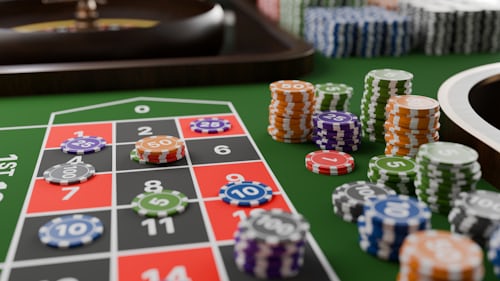
Furthermore, different games attract players with varying appetites for risk. While some may prefer games that offer high stakes and rapid results, others might gravitate toward slow-paced, low-stakes games that allow for social interaction. Understanding these variations helps casinos cater to a diverse clientele, ensuring that everyone finds something that resonates with their personal preferences and thrill-seeking tendencies. The psychological profiles of players can greatly inform the design and marketing of gaming options available, allowing for a tailored experience that aligns with individual preferences.
The concept of loss aversion is another psychological phenomenon that is particularly relevant in the context of gambling. Players are generally more motivated to avoid losses than to achieve equivalent gains. This can lead to behaviors such as chasing losses, where players continue to gamble in hopes of recovering funds they have lost. The fear of losing can become paralyzing, leading to a dangerous cycle of gambling behavior that can negatively impact financial stability and well-being. Recognizing this pattern is essential for players to develop strategies that mitigate the emotional fallout associated with gambling.
The Importance of Responsible Gambling
While gambling can be an enjoyable activity for many, the psychological complexities involved necessitate an emphasis on responsible gambling. Awareness of personal limits and recognizing the signs of compulsive behavior are crucial in maintaining a healthy relationship with gambling. Education on responsible gambling practices can help individuals navigate their desires while minimizing the risks associated with addiction. This proactive approach enables players to enjoy the entertainment aspect of gambling without succumbing to the potentially harmful consequences.
Many casinos and gaming establishments are taking proactive steps to promote safe gambling practices. This includes offering resources for players, such as self-exclusion programs, counseling services, and informational materials about the risks involved. By fostering an environment that encourages players to gamble responsibly, the industry can help mitigate the negative impacts of gambling while still providing entertainment. Such initiatives not only empower players but also enhance the overall integrity of the gaming industry.
Ultimately, the promotion of responsible gambling not only benefits players but also the industry as a whole. A reputation for supporting responsible gaming can enhance a casino’s image, attracting customers who appreciate the commitment to player welfare. By being proactive in addressing the psychological aspects of gambling, casinos can create a sustainable model that prioritizes both enjoyment and safety for their patrons. This shift towards responsibility is essential for the long-term viability of the gaming sector, ensuring that it remains a source of fun without compromising player health.