




The Origins of the Rigged Casino Myth
The notion that casinos are rigged has roots in human psychology and historical skepticism toward gambling establishments. Many players approach games with the belief that they are at a disadvantage, leading to the idea that the house is not only favored but actively manipulative. This feeling is often exaggerated by stories of personal losses and gambling failures, leading to a perception that the odds are intentionally skewed. Additionally, those interested in quick payouts may seek out options for an online casino fast withdrawal experience, as casinos thrive on probability and statistics, and understanding these concepts is essential for players.
Historically, certain scandals in gambling have fueled suspicions. For example, early reports of crooked games or rigged slots in illicit underground establishments contributed significantly to public distrust. Over time, these narratives were woven into the cultural tapestry of gambling, creating a mythos around the idea that all casinos operate similarly. However, reputable casinos operate under strict regulations that advocate transparency and fairness, making the idea of systemic rigging far-fetched.
It’s essential to understand that while the odds in casino games do favor the house, this does not mean these establishments are rigged against players. Instead, they utilize well-established mathematics to create a business model that ensures profitability. Games are carefully designed with specific odds that are communicated clearly to players, underpinning the importance of knowledge in gambling rather than conspiratorial thinking. This understanding can empower players to make informed decisions and approach gambling with a healthier mindset.
The Role of Regulation and Oversight
In many jurisdictions, casinos are strictly regulated to ensure fair play and transparency. Government bodies oversee gaming operations, requiring casinos to adhere to specific guidelines that prevent any form of manipulation. Regular audits, testing of gaming equipment, and adherence to random number generation standards ensure that the games offered to players are fair and unbiased. This extensive oversight directly counters the myth of rigging, as players can trust that their chances of winning are based on established odds rather than deceptive practices.
Moreover, many casinos employ third-party testing agencies to validate their games. These independent entities assess the randomness and fairness of the games, verifying that outcomes are not predetermined. The seal of approval from such organizations adds an extra layer of confidence for players, indicating that their chances in games are genuine and that the house edge operates under an honest framework. This transparency not only reassures players but also enhances the overall reputation of the gaming industry.

The sheer volume of regulation and compliance serves as a significant deterrent against potential malpractice. Casinos understand that reputational damage can be catastrophic; a loss of trust can lead to dwindling patronage, which is a business’s lifeblood. Therefore, maintaining a fair gaming environment is not only a legal obligation but a strategic priority for casino operators. As such, the myth of rigged casinos stands in stark contrast to the reality of a highly regulated industry committed to player protection.
The Psychology of Gambler’s Fallacy
The gambler’s fallacy is a cognitive bias that can amplify the perception that casinos are rigged. This phenomenon occurs when players believe that past outcomes influence future ones, leading to misguided strategies and expectations. For instance, a player might think that a slot machine is « due » for a payout after a losing streak, not realizing that each spin is an independent event governed by random number generation. This misunderstanding can foster a sense of injustice and the belief that the casino operates unfairly.
People often gravitate towards patterns where none exist, which can skew their judgment and lead to frustrations during gameplay. This cognitive distortion can perpetuate feelings of being cheated or unfairly treated by the casino, as players project their experiences onto the integrity of the games. In reality, each game is designed to offer random outcomes, and luck plays an unpredictable role in gambling experiences. This highlights the importance of education in gambling, as understanding the underlying mechanics can help players navigate their emotions more effectively.
Additionally, how players perceive their wins and losses can be misleading. Wins often feel more substantial than losses feel painful, resulting in an inflated sense of unfairness when losing, while the randomness and luck behind wins are sometimes overlooked. Understanding the mechanics behind games can help mitigate emotions stemming from the gambler’s fallacy and enable players to engage more responsibly and rationally with their gambling habits. This awareness can foster a healthier approach to gaming, reducing the likelihood of frustration and disappointment.
Real Stories and Anecdotes of Rigging
While most casinos operate fairly, isolated incidents of rigging have been reported, albeit in unofficial or underground venues rather than regulated casinos. Such stories often revolve around dealer collusion or electronic manipulation in unregulated environments. These anecdotes can lead to the misconception that rigging is prevalent everywhere in the gambling world, especially when sensationalized by media narratives or personal testimonies. However, it is crucial to differentiate between the regulated industry and rogue operations.
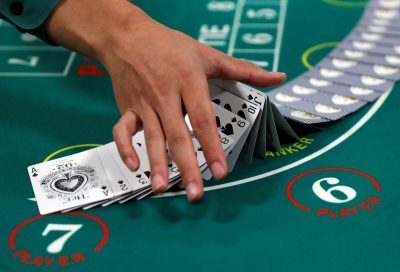
Sometimes, real-life tales of rigged games circulate among players, often highlighting how certain unscrupulous individuals took advantage of less reputable establishments. However, these instances are far from the norm and are usually indicative of a lack of oversight rather than a reflection of the industry as a whole. Recognizing that such stories arise from rogue operations can help contextualize the broader, more regulated casino landscape, emphasizing that the majority of casinos prioritize fairness and integrity.
Moreover, the gambling industry has evolved significantly due to technological advancements. Modern gaming machines and systems are designed to be secure and fair. Casinos have invested heavily in preventing fraud and ensuring that their operations are above board. This investment makes it difficult, if not impossible, to rig games consistently without being detected. Thus, while stories of rigging exist, they illustrate exceptions rather than the rule within reputable gaming environments, reinforcing the idea that players can engage with confidence in regulated settings.
Why Choose Fair Play: The Website Perspective
Many people interested in gambling often seek platforms that prioritize transparency and fair play. Reputable gaming websites inform users about game mechanics, odds, and the nature of randomness. Providing educational resources helps demystify the gambling process, fostering an environment of trust and informed participation. This commitment to user education plays a crucial role in countering myths about the integrity of gambling and ensuring that players understand how to engage safely and responsibly.
Moreover, trusted websites often display licenses and certifications prominently, showcasing their adherence to regulatory standards. Players are encouraged to review these credentials to better understand the protections in place, promoting responsible gambling practices. By ensuring players have access to information and resources, these platforms reinforce the idea that the gaming experience can be enjoyable and fair. Transparency is not just a marketing strategy; it is a fundamental aspect of building long-term relationships with users.
This emphasis on transparency not only enhances the user experience but also builds a community of informed players who approach gambling with realistic expectations. As the gambling landscape continues to evolve, promoting fair play and responsible gaming is vital for both operators and players. By dispelling myths surrounding rigged games and fostering trust, the gaming community can work collaboratively towards a positive gambling experience for all, ensuring that the joy of gaming is preserved for future generations.