Different brewery scales use different heating methods. If your brewery is 5HL (4.25BBL) or below, in most cases, electric is your best choice. This is because breweries of this scale are generally located in residential areas. If you open a brewery in a residential area, then the only thing you need to be concern about is the steam from the electric kettle, because no steam boiler or open flame is involved.
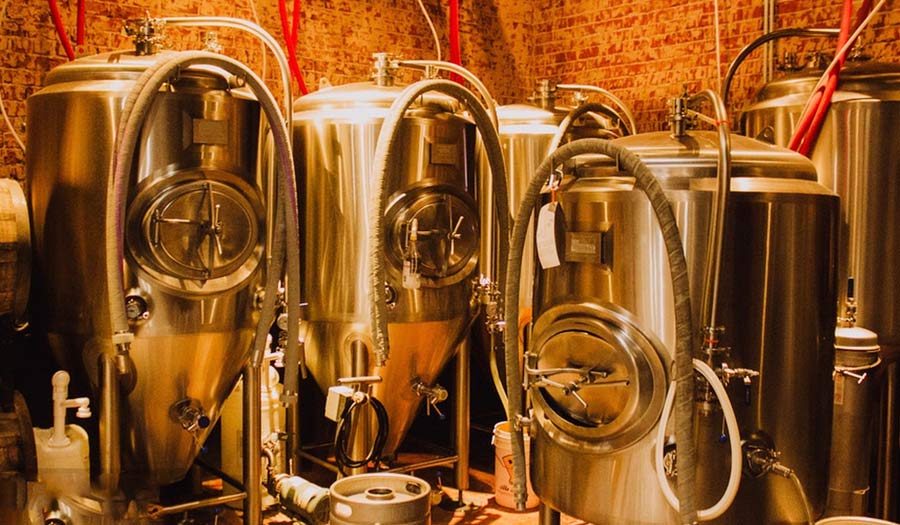
In the brewing process of alcoholic beverages, the fermentation stage produces a by-product that is often overlooked: heat. It must be noted that the heat generated by normal beer fermentation activities can raise the process temperature by 10-15℃. Under ideal circumstances, the brewing process should be strictly adjusted within a relatively small temperature range to achieve the best results. Failure to take appropriate measures to regulate the heat generated during beer brewing may result in unsatisfactory products. This is also a costly mistake made by many new brewers. Next, the engineers of Micet Craft will introduce you to how to control the fermentation temperature.
A microbrewery is a type of craft brewery. It can produce 15,000 barrels or less of beer each year. Some microbrewery has small tasting rooms or brewpub. People often use microbrewery to refer to any enterprise that makes craft beer.
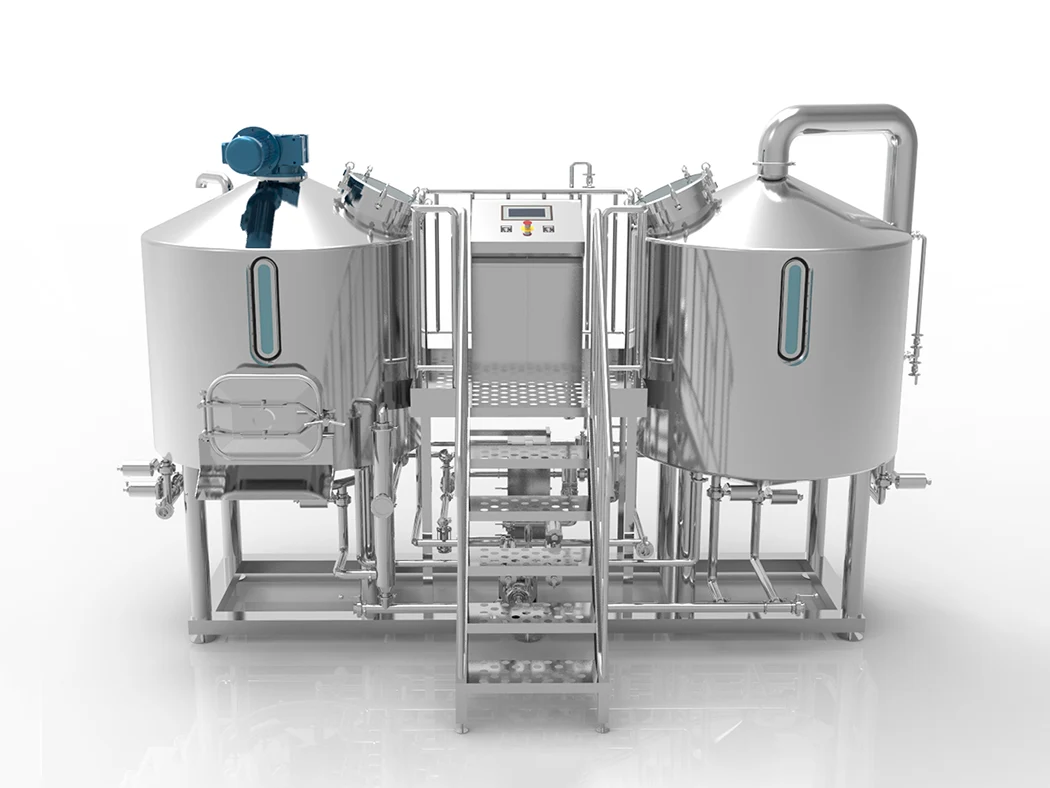
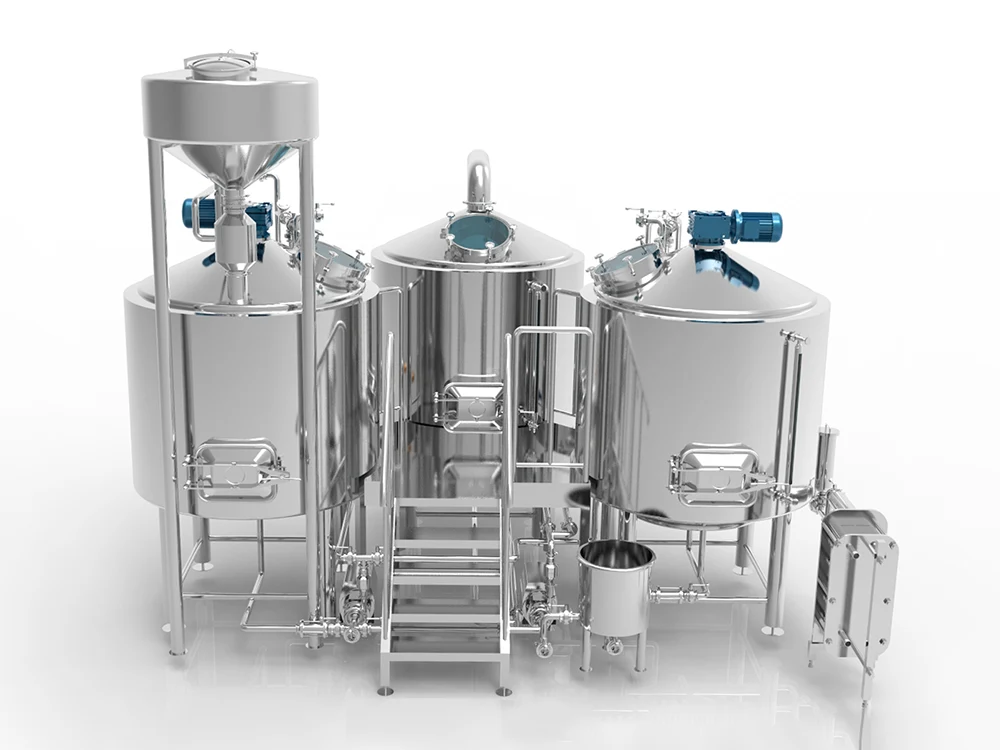
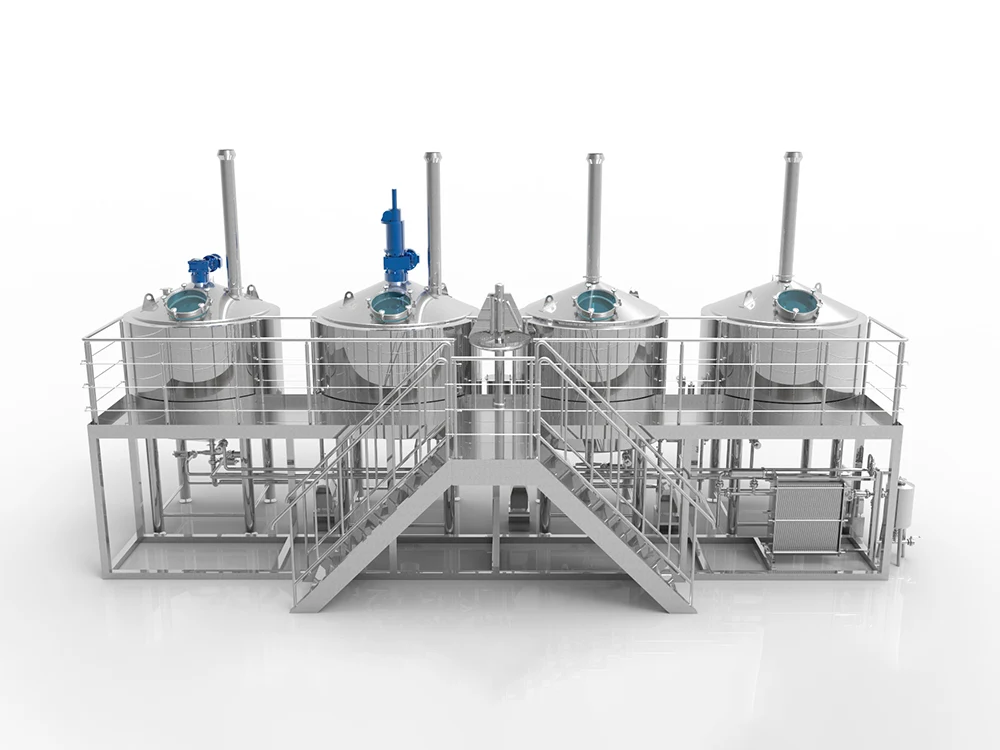
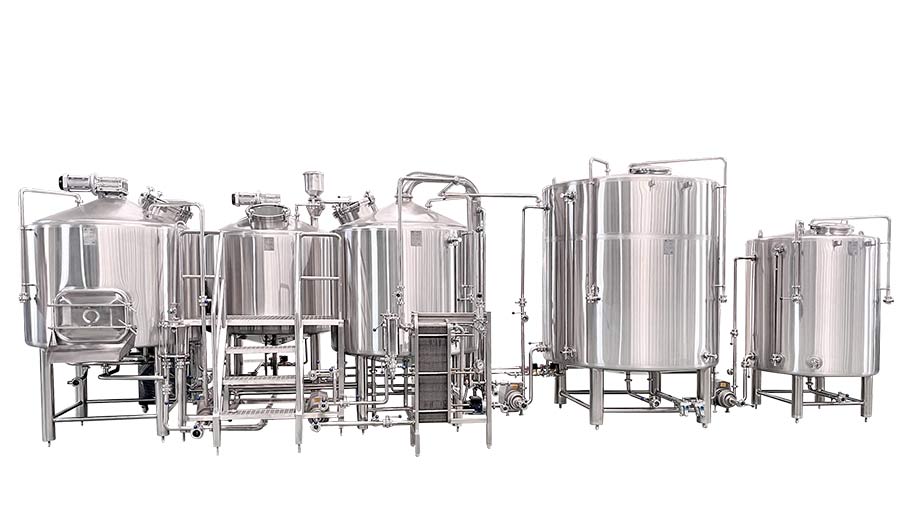
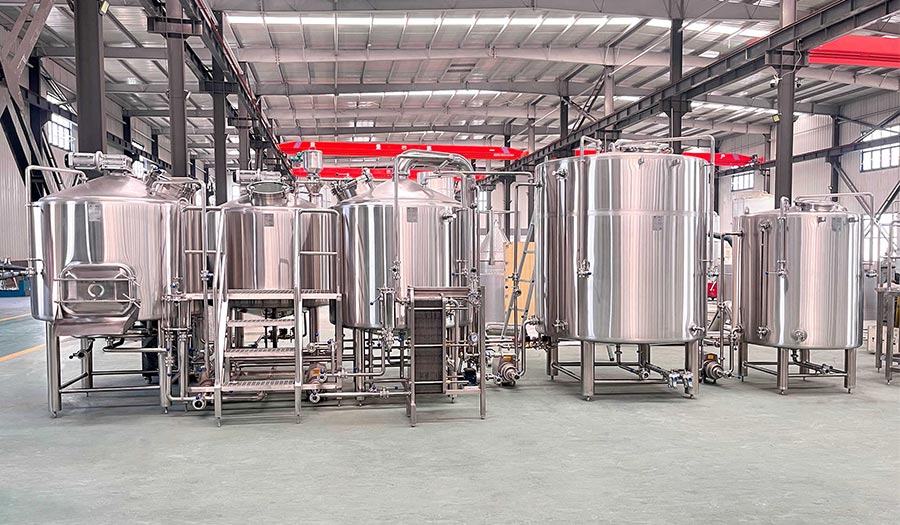
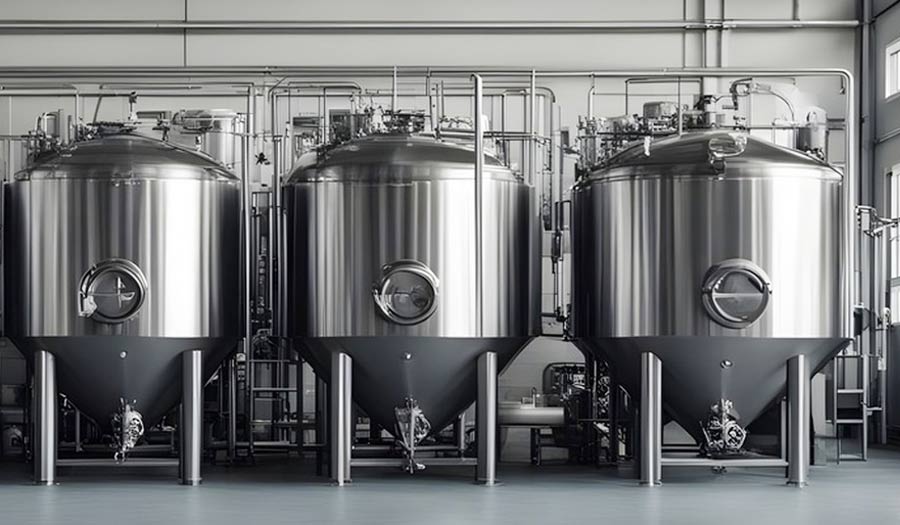
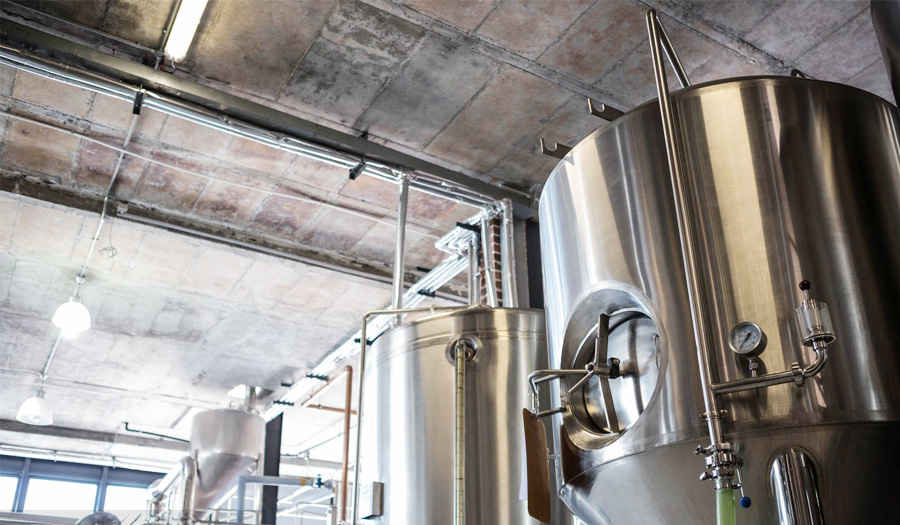
The brewhouse is the most complex and most varied part of the brewery equipment. The brewhouse system in a craft brewery is mainly composed of four parts: mash tank, Lauter tank, kettle tank, and whirlpool tank. According to different needs, the brewhouse system has different combinations. After that, the brewhouse system can match and combine for customers according to their different output and functions, and provide customers with customized services.
The boiling method is very used in Germany, but since the 1970s, many breweries have switched to the leach-out method. The obvious reason is: that in the face of the oil crisis, the leach-out method can reduce energy consumption during the heating process, and it can achieve more batches of brewing.
A two-in-one mashing pot and cooking pot (all-in-one), which integrates the function of filtration, with options for tillage and temperature control.
Compared with the single-step leaching mashing method, this method can adjust the sugar composition in the wort by controlling the temperature.
Due to the rapid inactivation of β-amylase during common single-temperature saccharification (66-68°C), there is a limit to the final degree of fermentation, and even prolonging the rest time of saccharification cannot overcome the problem of enzyme inactivation.
Malting and mashing are fundamental aspects of the beer brewing process. These are the processes that have, for millennia, transformed starchy harvested grain into sweet wort that is fermented into ale and beer.
All saccharification methods have a common goal: to extract as much and high-quality extract from the malt as possible, provide it to yeast, and turn wort into beer.
Although brewing yeasts have strong vitality and strong cell walls, which can make them survive in an acidic environment with alcohol, but this doesn’t mean that they won’t die, especially in the fermentation environment with long beer storage time and strong survival pressure.
When the yeast dies, yeast autolysis releases some unpleasant flavors into the beer. Also a lot amount of yeast deposits can lead to unpleasant mouthfeel and imperfections.
Beer is one of the most delicate and labile beverages from the sensory point of view. It has a complex but moderate taste and aroma and shows a poor flavor stability compared to other alcoholic beverages. Although over one thousand flavor components have been identified in beer, most of them are at the concentrations under the respective threshold values. Even so, all the components may contribute more or less to the flavor of the product. Beer flavor is changeable with a wide variety of influences which occur at all stages of the brewing process and during storage after packaging.
Craft beer is the intersection of art and science. Divided into ale and lager in terms of brewing process, the difference between the two techniques leads each brewer to decide whether to brew beer according to a specific style, or to blaze a new path and break the mold of traditional style.